

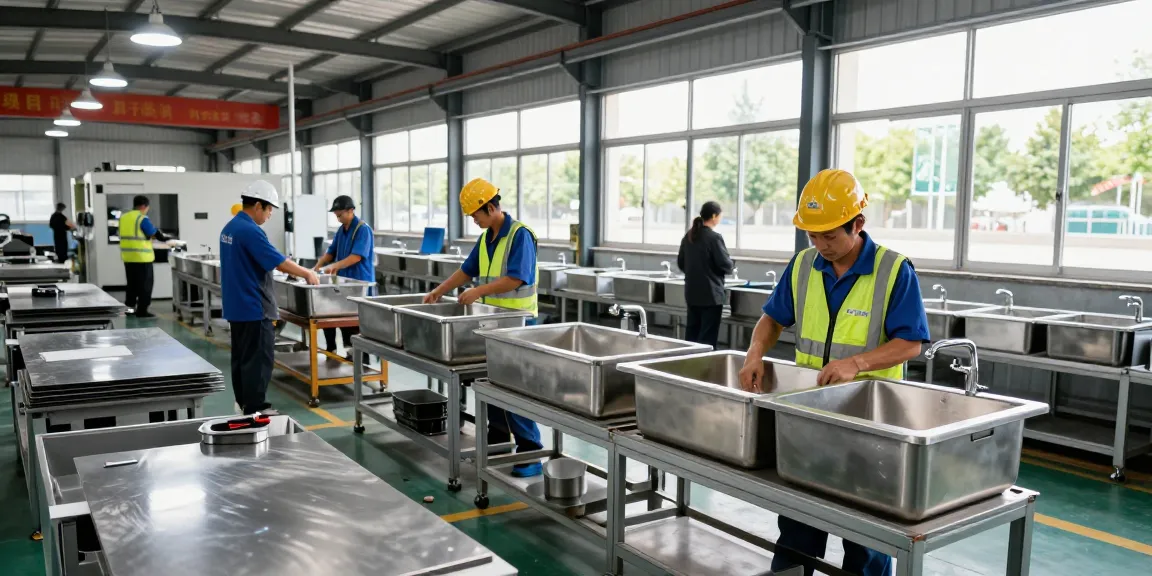
Understanding the Stainless Steel Basin Factory Industry
The stainless steel basin factory industry plays a pivotal role in providing high-quality kitchen and bathroom fixtures that cater to both residential and commercial needs. As consumers increasingly seek durability, aesthetic appeal, and sustainability in their choices, stainless steel basins have gained popularity. In this context, understanding the intricate workings and trends of the stainless steel basin factory becomes essential for stakeholders, manufacturers, and consumers alike. When exploring options, stainless steel basin factory provides comprehensive insights into the industry’s landscape.
What is a Stainless Steel Basin Factory?
A stainless steel basin factory specializes in the design, manufacturing, and finishing of various types of stainless steel basins. These facilities include advanced machinery and skilled labor to create products that meet stringent quality standards. The manufacturing process involves several stages, including material selection, shaping, welding, polishing, and quality control to ensure that the final products are both aesthetically pleasing and functional.
Key Products and Offerings
Stainless steel basin factories typically produce a range of products designed for versatility and durability. Common offerings include:
- Kitchen sinks: Various styles, including undermount, top-mount, and farmhouse designs.
- Bathroom sinks: Pedestal, wall-mounted, and vanity sinks to suit diverse settings.
- Custom designs: Tailored products that meet unique client specifications for residential and commercial applications.
- Accessories: Drains, strainers, and faucets that complement the overall basin design.
Importance of Quality Manufacturing Processes
Quality is paramount in the stainless steel basin industry. High-quality manufacturing processes not only enhance the durability of products but also ensure compliance with health and safety standards. Factories utilize advanced techniques, such as robotic welding and precision machining, to achieve consistent quality. Additionally, rigorous quality control measures help in identifying defects at various stages, reducing the likelihood of returns and increasing customer satisfaction.
Market Trends and Innovations in 2026
The stainless steel basin market is evolving rapidly as manufacturers adapt to emerging trends and consumer preferences. Innovations in design and production techniques are reshaping the industry landscape, paving the way for better quality and sustainability.
Emerging Technologies in Manufacturing
In 2026, the incorporation of smart manufacturing technologies will revolutionize the operations of stainless steel basin factories. Technologies such as Internet of Things (IoT) sensors will enable real-time monitoring of machinery and processes, optimizing efficiency and reducing waste. Moreover, advancements in 3D printing allow for rapid prototyping and production, facilitating custom designs that meet specific consumer needs.
Sustainability Practices in Basin Production
As sustainability becomes a critical focus for consumers, stainless steel basin factories are adopting eco-friendly practices. This includes the use of recycled materials, energy-efficient machinery, and waste reduction strategies. Factories are increasingly implementing sustainable sourcing policies for raw materials, ensuring that products have a lower environmental footprint.
Consumer Preferences and Buying Behavior
Today’s consumers prioritize quality and sustainability when selecting home fixtures. There is a noticeable shift towards premium products that offer superior durability and design. Additionally, many consumers are willing to invest in high-quality stainless steel basins that come with warranties, reflecting long-term value. Online shopping and access to customer reviews further influence buying decisions, making transparency and customer service crucial for manufacturers.
Challenges Faced by Stainless Steel Basin Factories
Although the stainless steel basin manufacturing industry is thriving, it faces several challenges that could impact operations and profitability.
Supply Chain Disruptions and Solutions
Global supply chain disruptions have posed significant challenges to stainless steel basin factories. Fluctuations in the availability of raw materials, such as stainless steel and other components, can lead to increased production costs and project delays. To mitigate these risks, factories are diversifying their supplier base and investing in local sourcing initiatives to enhance supply chain resilience.
Labor Shortages and Workforce Training
The manufacturing sector, including stainless steel basin factories, is grappling with labor shortages as skilled workers become increasingly difficult to find. To overcome this challenge, many factories are investing in training programs to upskill existing employees and attract new talent. Collaborations with technical schools and local universities can also help build a pipeline of skilled workers.
Maintaining Quality Amidst Demand Variability
Variations in consumer demand can strain production capabilities and quality assurance processes. Factories must remain agile, adjusting their production lines to maintain quality while meeting fluctuating demand levels. Implementing lean manufacturing techniques and continuous improvement practices can help factories enhance efficiency and quality simultaneously.
Best Practices for Stainless Steel Basin Production
To thrive in the competitive landscape of stainless steel basin manufacturing, factories must adopt best practices that enhance productivity and product quality.
Efficient Production Techniques
Implementing efficient production techniques is essential for optimizing manufacturing processes. Just-In-Time (JIT) inventory management can reduce excess inventory costs while ensuring that materials are available when needed. Adopting lean manufacturing principles minimizes waste and enhances workflow throughout the production process.
Quality Control Measures to Implement
Robust quality control measures are critical for ensuring that products meet customer expectations. Implementing regular inspections, testing protocols, and maintaining detailed documentation of production processes can help identify potential quality issues early on. Factories should also encourage a quality-first culture among all employees to foster accountability.
Integrating Automation in Manufacturing
The integration of automation technologies provides numerous benefits in the stainless steel basin production process. Automated machinery can improve precision, reduce labor costs, and enhance production speed. Moreover, data analytics can provide insights into production efficiency and areas for improvement, allowing for informed decision-making.
The Future of Stainless Steel Basin Factories
As the industry continues to evolve, stainless steel basin factories must prepare for several key trends and developments that will shape their future.
Predictions for Industry Growth
The stainless steel basin market is expected to expand significantly in the coming years, driven by rising construction activities and an increasing focus on high-quality products. Innovations in design and manufacturing are likely to attract new consumers, contributing to sustained growth.
Impact of Global Trends on Local Factories
Global economic trends, such as shifts in trade policies and fluctuating raw material prices, will continue to influence local stainless steel basin factories. Factories must stay informed and adaptable to thrive amid these changes, focusing on local market demands while leveraging global trends.
Innovations to Watch in Manufacturing Processes
Future innovations in manufacturing processes, such as artificial intelligence and advanced robotics, will enhance efficiency and quality. Additionally, the ongoing development of sustainable materials and practices will redefine product offerings, meeting consumer demand for eco-friendly solutions.
