

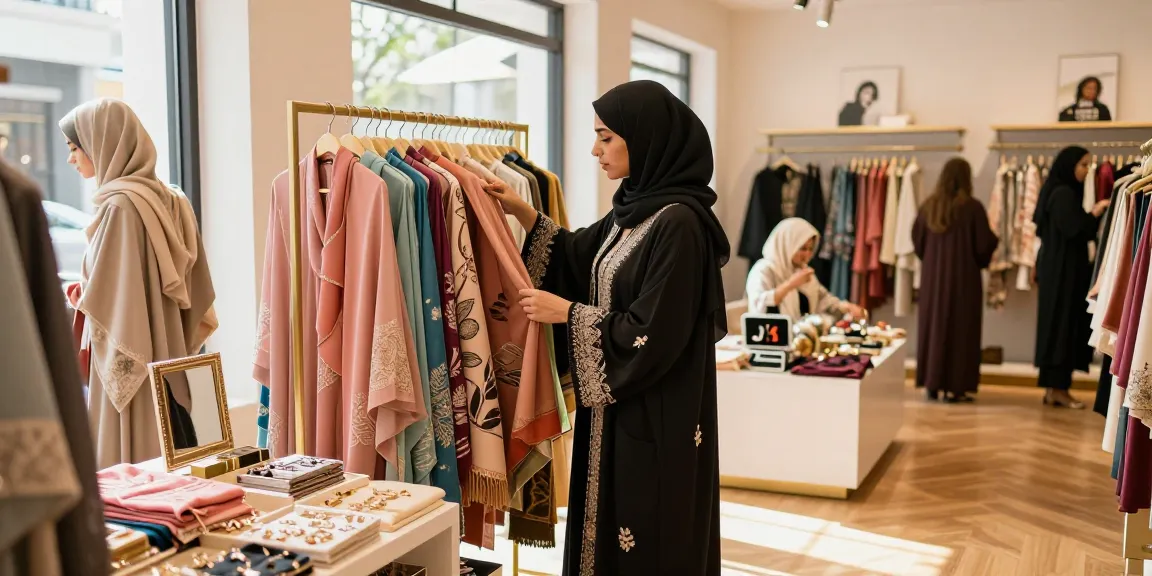
The Modern Abaya: Evolution and Trends
The abaya, a traditional garment worn by many Muslim women, has undergone a remarkable transformation over the years. While it has retained its core identity as a modest and elegant attire, contemporary influences have shaped its design, making it a symbol of both tradition and modern fashion. Today, the abaya is not merely a piece of clothing; it reflects cultural identity, personal style, and socioeconomic factors. As we venture into 2026, the evolution of the abaya continues, and understanding its trends can provide valuable insights for both consumers and designers. When exploring options, Abaya collections offer comprehensive insights into these ongoing changes.
Understanding the Cultural Significance of the Abaya
The abaya is more than just a piece of clothing; it is deeply rooted in various cultural traditions and practices. Traditionally, it represents modesty, privacy, and family honor, particularly in Middle Eastern societies. In many cultures, the way an abaya is worn can signify one’s social status, regional identity, or even religious adherence. As cultural practices evolve, the abaya has become a canvas for expressing individuality, allowing women to incorporate their personal styles while respecting cultural norms. The modern abaya is often adorned with intricate embroidery, beadwork, and unique cuts, reflecting the wearer’s personality while still adhering to the principles of modesty.
Current Fashion Trends Influencing Abaya Design
With the rise of social media and global connectivity, fashion trends are now more accessible than ever, influencing traditional attire like the abaya. Designers are increasingly experimenting with colors, cuts, and accessories, leading to a wave of innovative designs that cater to a younger, fashion-savvy demographic. Layering techniques, asymmetrical styles, and mixed textiles are gaining popularity, contributing to the evolution of the abaya. Furthermore, collaboration with international designers has introduced a cross-cultural dimension to abaya fashion, making it a versatile choice for various occasions—from casual outings to formal events.
Emerging Styles and Fabrics for Abayas in 2026
As we look ahead to 2026, several emerging styles and fabrics are poised to redefine the abaya. Sustainable fashion is becoming a priority, with designers opting for eco-friendly fabrics that reduce environmental impact. Innovations in textile technology, such as moisture-wicking and temperature-regulating materials, are also in demand. In terms of style, oversized fits, bold prints, and vibrant colors are expected to dominate the market. Customization—allowing customers to select fabrics, colors, and embellishments—will also be a major trend, making each abaya a unique expression of personal style.
Creating a Unique Abaya Collection
Creating a successful abaya collection requires a strategic approach, where understanding consumer desires meets creativity and innovation. The market is diverse, with various preferences and needs; thus, having a clear vision and identity for your brand is paramount. From selecting the right designs to marketing effectively, each element contributes to a brand’s success in the competitive abaya industry.
Identifying Your Target Audience for Abayas
Before launching an abaya line, it’s crucial to identify the target audience. Understanding demographics—such as age, preferences, and cultural backgrounds—allows for more focused marketing and design efforts. For instance, younger consumers might gravitate towards trendy, casual styles, while older demographics may prefer more classic, sophisticated looks. Conducting market research, surveys, and social media analysis can provide insights into what potential customers are looking for in their abaya purchases.
Integrating Traditional and Contemporary Design Elements
Successful abaya collections often blend traditional aesthetics with modern influences. This can include using classic silhouettes while incorporating contemporary embellishments or colors. Designers should consider what traditional elements resonate with their audience—such as specific embroidery styles or fabrics—integration with contemporary designs makes the abaya appealing to a broader market. This fusion not only preserves cultural heritage but also keeps the fashion forward.
Utilizing Sustainable Fabrics for Eco-Friendly Abayas
The demand for sustainable fashion is growing, and consumers are increasingly seeking brands committed to eco-friendly practices. Using sustainable fabrics, such as organic cotton, bamboo, or recycled materials, not only reduces environmental impact but also meets the preferences of conscientious consumers. Brands embracing sustainability can enhance their appeal in a competitive market, attracting customers who prioritize ethical consumption.
Marketing Strategies for Abaya Brands
Effective marketing is key to the success of any fashion brand, including abayas. With the rise of digital media, brands have unprecedented opportunities to connect with their audience. Understanding the best marketing channels and strategies can significantly boost visibility and sales for abaya collections.
Leveraging Social Media to Showcase Abaya Collections
Social media platforms, such as Instagram and TikTok, are essential for visual storytelling and connecting with consumers. Fashion brands can showcase their abaya collections through compelling visuals, engaging content, and collaborations with influencers. User-generated content, where customers share their unique styles, can also enhance brand visibility and authenticity, encouraging new purchases.
Collaborating with Influencers and Fashion Bloggers
Influencer marketing remains a powerful tool for reaching specific demographics. Partnering with fashion bloggers and influencers who resonate with your target audience can amplify brand reach. These collaborations can take various forms, such as sponsored posts, styling videos, or social media takeovers, creating engaging content that highlights the versatility and appeal of the abaya.
Effective Advertising Channels for Abaya Promotions
Choosing the right advertising channels can dramatically impact the success of your marketing campaign. Online advertising through platforms like Google Ads, social media ads, and display advertising can help target specific audiences effectively. Additionally, consider participating in fashion exhibitions, both online and in-person, to showcase new collections and connect with other industry professionals and potential customers.
Building an Online Presence for Abaya Retail
Establishing a strong online presence is crucial for capturing the attention of modern consumers. An engaging e-commerce platform can significantly enhance the shopping experience, leading to higher customer satisfaction and retention.
Creating an Engaging E-commerce Experience for Customers
A well-designed e-commerce website should be user-friendly, visually appealing, and optimized for mobile devices. Clear navigation, high-quality images, and detailed product descriptions can improve the shopping experience. Additionally, implementing features like customer reviews, styling tips, and personalized recommendations can enhance user engagement and increase conversion rates.
SEO Strategies for Increasing Visibility of Abaya Products
Search Engine Optimization (SEO) is vital for driving organic traffic to your e-commerce site. Using relevant keywords related to the abaya—such as “modest fashion,” “stylish abayas,” or “custom abayas”—can improve visibility in search engine results. Regularly updating the site with blog content about trends, styling ideas, and cultural significance can also enhance SEO performance, making it easier for potential customers to find your offerings.
Utilizing Customer Testimonials and Reviews Effectively
Customer testimonials and reviews play a critical role in building trust and credibility for your abaya brand. Displaying positive reviews prominently on product pages can encourage new customers to make purchases. Creating a dedicated section for customer feedback, complete with images of customers wearing your abayas, can also promote a sense of community and authenticity.
Future of Abaya Fashion: Predictions and Innovations
The future of abaya fashion is bright, with immense potential for innovation and creativity. As consumer preferences evolve, brands that adapt to these changes will thrive. Keeping an eye on emerging trends can help designers stay ahead of the curve and cater to the ever-changing demands of the market.
The Role of Technology in Abaya Design and Manufacturing
Technological advancements are revolutionizing the fashion industry, and the abaya is no exception. From 3D printing to virtual fitting rooms, technology is making it easier for designers to create intricate designs and for consumers to find the perfect fit. As online shopping continues to grow, augmented reality (AR) features that allow customers to visualize how an abaya looks on them can greatly enhance purchasing confidence.
Anticipating Fashion Shifts and Consumer Preferences
Understanding shifts in consumer behavior—such as the growing preference for online shopping or interest in sustainable products—is crucial for the future of abaya fashion. Brands that can pivot quickly to accommodate these changes will likely see long-term success. Fashion forecasts, market analyses, and consumer feedback should inform design and marketing strategies for upcoming collections.
Innovative Retail Experiences for Abaya Shoppers in 2026
The retail landscape is evolving, with a focus on creating memorable experiences for shoppers. Experiential retailing, which combines shopping with engaging activities—such as styling workshops or cultural events—can draw customers in and create a loyal community around the brand. Implementing personalized shopping experiences, including curated selections based on consumer preferences, can also enhance customer satisfaction and encourage repeat business.