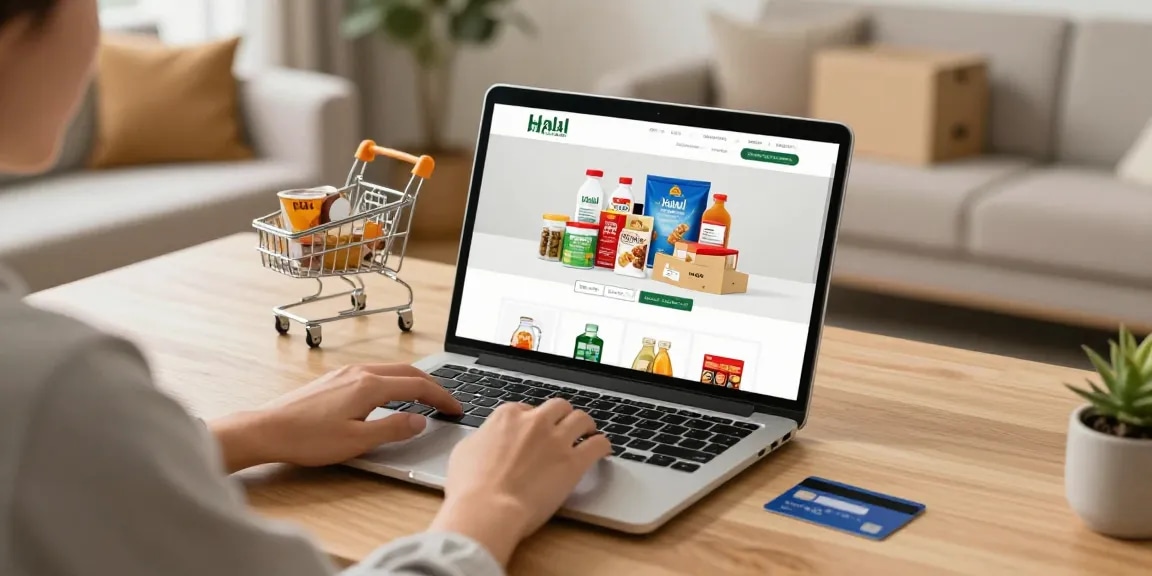
Understanding the Halal Grocery Market Trends
The Halal grocery market is rapidly evolving, driven by an increasing demand not only from Muslim consumers but also from the general public seeking quality, ethically sourced food products. As the preferences of shoppers continue to shift towards health-conscious and ethical consumption, e-commerce has taken center stage, offering convenience and a variety of options previously unavailable in traditional stores. In this landscape, Halal Grocery options have seen a surge in interest. Moreover, e-commerce sales are predicted to reach unprecedented heights by 2026, emphasizing the importance of staying informed about industry trends and product offerings.
1. What Defines Halal Grocery Products?
Understanding Halal grocery products is essential for consumers looking to purchase items that align with their ethical and religious beliefs. Halal refers to food products that are permissible under Islamic law. This includes various rules concerning how animals are raised and slaughtered, the prohibition of certain ingredients, and the requirement for cleanliness in food production. Key Halal certifications and an understanding of the supply chain are integral when shopping for these products, ensuring that they meet the necessary ethical standards.
2. Growing Demand for Halal Products
The demand for Halal products has been on the rise, propelled by a broader interest in healthy and organic foods. This trend is not limited to Muslim shoppers; many non-Muslim consumers are attracted to Halal goods due to their health benefits, transparency in sourcing, and ethical considerations. E-commerce platforms have responded by expanding their Halal offerings, thereby tapping into this lucrative market segment. As of 2026, the Halal market is expected to grow at an annual rate of 10-15%, reflecting this widespread consumer behavior change.
3. E-commerce Trends for 2026
As we look towards 2026, there are several trends shaping the e-commerce landscape for Halal groceries. Enhanced personalization through AI-driven recommendations, increased mobile commerce usage, and a focus on sustainability practices will dominate. Retailers will also adopt advanced technologies like augmented reality (AR) to enhance the shopping experience. Furthermore, social media marketing will play an important role in influencing purchasing behavior as consumers turn to online communities for guidance on food choices.
Top-Rated Halal Grocery Categories to Explore
1. Popular Products and Best Sellers
Exploring the most popular Halal grocery products can help consumers prioritize their shopping lists and discover the best value offerings. Items such as frozen Halal meats, specialty spices from the Middle East, and organic dates have gained a significant following. Additionally, new snacks and beverages like turmeric lattes and Halal milk products are hitting the shelves in response to rising health consciousness among consumers.
2. Seasonal Collections and Promotions
Seasonal trends play a considerable role in Halal grocery shopping. For example, during Ramadan, many consumers seek out specific items to break their fast or prepare festive meals. Retailers often respond with targeted promotions and special collections that feature fast-worthy items such as Halal sweets and traditional beverages. Staying updated on these seasonal items can enhance your grocery shopping experience and ensure you don’t miss out on limited-time offerings.
3. Health-Conscious Options in Halal Groceries
The rise of health awareness has led to an influx of health-conscious Halal grocery options. From gluten-free pastas to organic snacks, health-oriented products are gaining traction. Many consumers now seek certifications not only for Halal but also for vegan and non-GMO labels. Shifting towards healthier Halal eating habits not only supports personal well-being but also aligns with the values many consumers have around sustainability and ethical sourcing.
How to Choose the Right Halal Grocery Online
1. Comparing Quality and Price
When shopping online for Halal groceries, comparing quality and price is crucial. Look for product reviews and ratings to gauge the reliability of different brands. It's also beneficial to understand your budget and how much you are willing to spend on premium products versus more budget-friendly options. Many online retailers provide easy comparison tools that can assist in making well-informed decisions.
2. Shipping Options for Freshness
Freshness is vital when it comes to groceries, and this is especially true for Halal meats and perishable items. When selecting an online grocery service, consider shipping options such as same-day delivery or express shipping to minimize the time products spend in transit. Additionally, checking the retailer's packaging practices can provide insights into how well they protect food items during shipping.
3. Understanding Customer Reviews
Customer reviews are invaluable resources for potential online shoppers. They not only provide insights into product quality but also highlight potential customer service issues. Pay attention to recurring themes in reviews, such as taste, freshness, and service speed, as these will reflect the overall quality of the product and the retailer's service. A store with numerous positive reviews typically indicates reliability and product trustworthiness.
Securing Your Online Halal Grocery Purchase
1. Payment Security and Fraud Prevention
With the rise in online shopping, ensuring payment security is critical. Look for retailers that offer secure payment gateways and various payment methods, including credit cards, PayPal, and more. Authentication measures such as two-factor authentication can further protect your transactions. Understanding the retailer's privacy policies can also provide peace of mind when it comes to your personal information.
2. Return Policies for E-commerce Purchases
Before finalizing an online purchase, familiarize yourself with the return policies of the store. An easy return process is essential, especially with perishable items like groceries. Choose retailers that offer generous return policies that cover product defects or issues with the quality of Halal items. Transparency in return processes strengthens consumer trust and satisfaction.
3. Buyer Protection Strategies
Beyond returns, consider what measures retailers have in place to protect buyers. This may include money-back guarantees or satisfaction guarantees on specific products. An e-commerce store that implements these practices not only takes accountability for their products but also builds strong customer relationships, fostering trust and loyalty.
Strategies to Maximize Your Halal Grocery Shopping Experience
1. Utilizing Loyalty Programs
Loyalty programs are an effective way to maximize savings. Many Halal grocery retailers offer rewards points for every purchase, which can be redeemed for discounts or offers. Understanding how to leverage these programs can lead to significant savings over time. Regular customers can benefit from exclusive deals that encourage repeat purchases, enhancing consumer value.
2. Mobile Commerce Trends for Easy Access
The rise of mobile commerce cannot be overlooked. Many consumers now prefer shopping via their smartphones for convenience. Retailers are optimizing their mobile platforms to provide easy navigation and secure transactions. Utilizing mobile apps can also grant access to special promotions that are not available on the desktop version, helping you save even more.
3. Recommendations for Significant Savings
To achieve significant savings, consider timing your purchases with sales events. Many retailers have sales during major holidays or seasonal transitions. Subscription services for monthly delivery of frequently used products can also reduce costs. Always check for coupon codes or promotional codes before completing your purchase to ensure you're getting the best deal.
FAQs
1. What should I look for when buying Halal groceries online?
When shopping online for Halal groceries, ensure the products have the appropriate certifications. Look for customer reviews and check the expiry dates on perishable items. Understanding shipping options and return policies is also crucial to ensuring a satisfactory purchase experience.
2. Are Halal grocery products more expensive?
Halal grocery products can sometimes be more expensive than conventional grocery items due to the specific practices required in their production. However, comparing prices across different retailers can help uncover competitive pricing and deals that align with your budget.
3. How can I ensure the quality of Halal products purchased online?
To ensure quality, shop from reputable retailers that provide clear product descriptions, certifications, and customer reviews. Engage with the community by researching products on social media platforms where others share their experiences with specific brands and suppliers.