Understanding Mayoral Campaign Marketing
Mayoral campaigns present unique challenges and opportunities, requiring a strategic approach that effectively engages voters and communicates a candidate's vision. In 2026, the landscape of mayoral campaign marketing is shaped by advancements in technology, a heightened awareness of voter data, and the changing dynamics of community engagement. To navigate these complexities, candidates must adopt comprehensive marketing strategies that not only resonate with their audience but also leverage data-driven insights to maximize their outreach.
What is Mayoral Campaign Marketing?
Mayoral campaign marketing refers to the strategic planning and execution of promotional activities that aim to build a candidate's brand, engage constituents, and drive voter turnout. It encompasses a wide array of tactics, including digital advertising, public relations, community outreach, and direct voter engagement—all tailored to meet the specific needs of local voters. Successful campaigns begin with a deep understanding of the electorate and a clear communication of policy positions that address the immediate concerns of constituents.
Importance of Data-Driven Strategies
The foundation of any successful mayoral campaign is data. Campaigns that utilize comprehensive voter data are better positioned to identify potential supporters, tailor their messages, and allocate resources efficiently. By analyzing demographic data, voting trends, and community sentiment, candidates can create targeted marketing strategies that resonate with voters at a personal level. The importance of being data-driven cannot be overstated; as voter behaviors continue to evolve, so too must the strategies employed by candidates to engage them effectively.
Key Elements of a Successful Campaign
- Branding: Establishing a clear and compelling brand that reflects the candidate's values and vision.
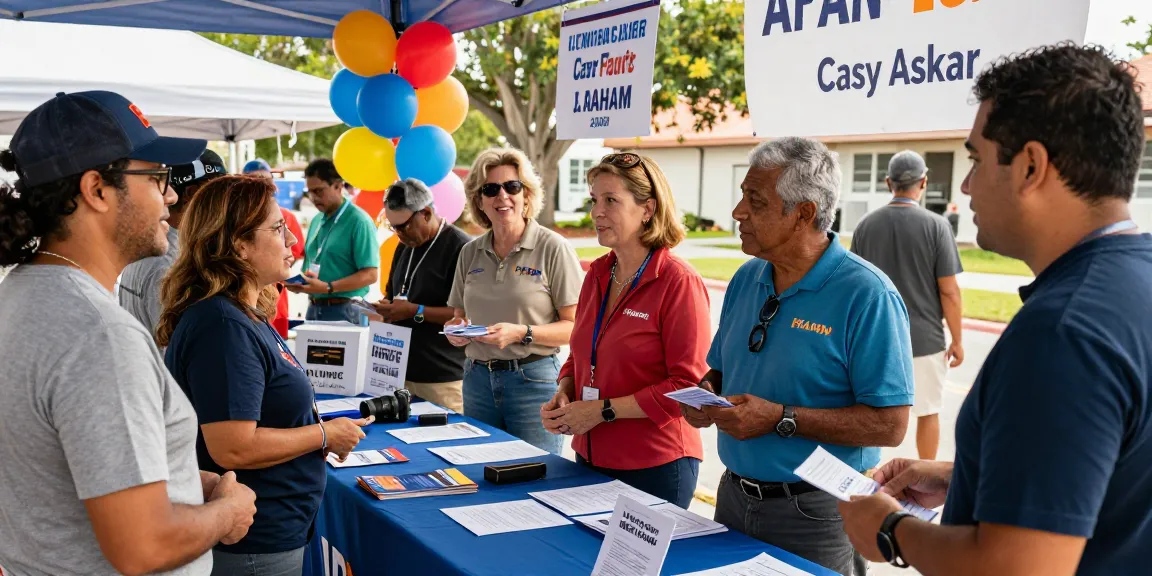
- Community Engagement: Actively participating in local events and discussions to build relationships and trust with constituents.
- Digital Presence: Leveraging websites, social media, and digital marketing to reach voters where they are spending their time.
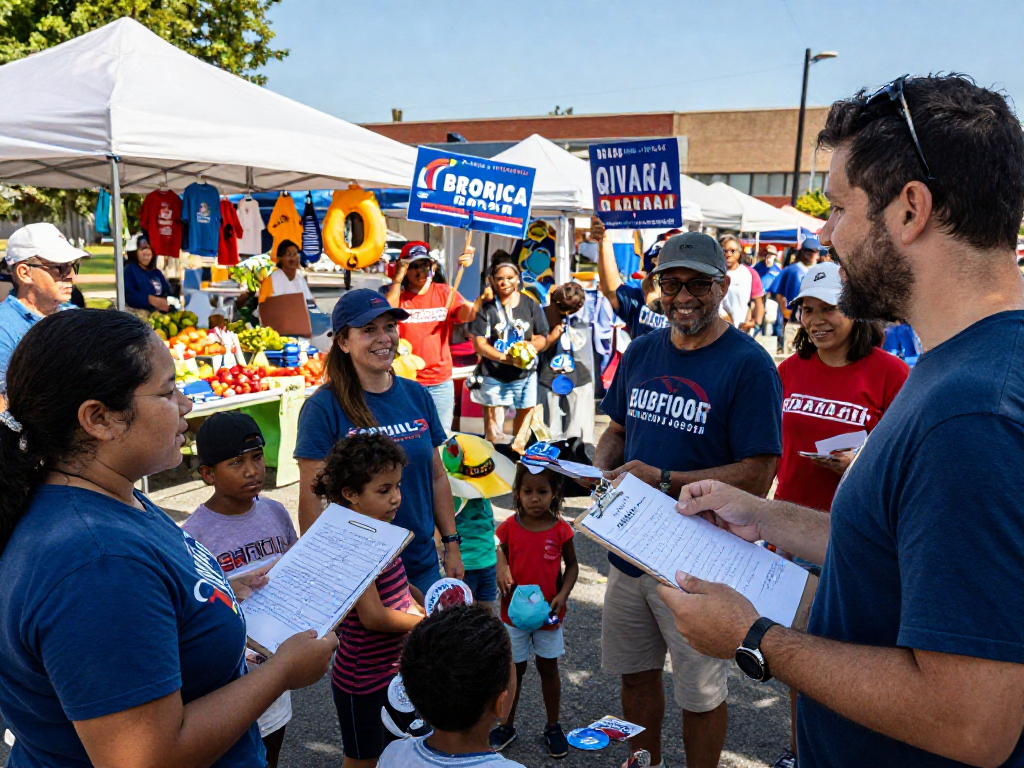
- Voter Outreach: Implementing grassroots efforts to mobilize supporters and encourage voter registration.
- Transparency: Maintaining clear communication about campaign finances, decisions, and strategies to foster trust.
Leveraging Voter Data for Effective Targeting
Obtaining Comprehensive Voter Files
For candidates looking to make a significant impact from day one, obtaining a complete voter file is essential. With a comprehensive file that includes every name, address, and phone number in their district, campaigns can ensure they are reaching the right audience. This data not only aids in targeted outreach but also provides insights into voter demographics, allowing for a nuanced approach to campaign messaging.
Advanced Targeting Techniques Explained
Advanced targeting techniques involve segmenting voter files based on various criteria such as demographics, voting history, and geographic location. By understanding the unique characteristics of different voter segments, campaigns can craft tailored messages that resonate with specific groups. This could involve creating specialized content for younger voters, emphasizing community issues for local residents, or addressing concerns specific to underrepresented groups. The goal is to create a connection that encourages voter participation.
Building Custom Data Cuts for Campaigns
Custom data cuts allow campaigns to refine their targeting even further. Whether targeting a specific demographic, geographic region, or a combination of factors, tailored data cuts enable campaigns to focus their resources where they will have the most impact. As campaign needs evolve, having the ability to adjust targeting strategies through custom data cuts is invaluable for maintaining relevance in a rapidly changing political environment.
Integrating Digital Marketing in Your Campaign
Creating Effective Campaign Websites
A well-designed campaign website serves as the digital hub for a candidate's efforts. It should be user-friendly, informative, and visually appealing, ensuring that visitors can easily access information about the candidate, their policies, and how to get involved. Importantly, the website should also include features that facilitate voter registration and donations, streamlining the process for supporters to take action.
Utilizing Political SEO for Visibility
Search engine optimization (SEO) is critical for increasing a campaign's visibility online. By optimizing website content with relevant keywords and phrases, campaigns can improve their ranking on search engines, making it easier for voters to find information about them. This includes not only candidate information but also articles, blogs, and news releases that address key issues relevant to the electorate.
Implementing Text and Digital Ads Effectively
Digital advertising, including social media ads and search engine marketing, offers campaigns a powerful tool to reach targeted audiences quickly and efficiently. Text ads can be particularly effective for driving immediate actions such as event registration or donations. Campaigns should experiment with various ad formats and messaging to determine what resonates best with their audience, continually analyzing performance data to refine their strategies.
Managing Campaign Operations with Transparency
Full-Service Campaign Management Explained
Managing a campaign can be overwhelming, but full-service campaign management solutions offer candidates a streamlined approach to their marketing efforts. By consolidating services such as data management, digital marketing, and operational support, candidates can focus on building relationships with voters while experts handle the intricacies of campaign logistics.
Understanding Transparent Pricing Models
Transparency in pricing is essential for maintaining trust with campaign supporters. Candidates should clearly communicate their funding strategies and expenditures, offering detailed breakdowns of how donations are being utilized. This transparency can include FEC-compliant invoicing practices to reassure donors that their contributions are being managed responsibly.
Best Practices for Compliance in Campaign Financing
Compliance with campaign finance laws is critical in maintaining credibility and ensuring the longevity of a campaign. Candidates must stay informed about regulations regarding contributions, spending limits, and reporting requirements. Utilizing legal counsel and compliance software can help avoid pitfalls and ensure that funds are managed appropriately.
Future Trends in Mayoral Campaign Marketing
Emerging Technologies and Their Impact
As we look ahead to 2026, emerging technologies such as artificial intelligence and machine learning are poised to revolutionize the way campaigns operate. These technologies can enhance data analysis capabilities, allowing campaigns to predict voter behavior with greater accuracy and create more personalized marketing messages. Innovations in communication technology may also change how campaigns interact with voters, creating new avenues for engagement and community building.
Anticipating Voter Behavior Changes in 2026
Voter behavior is influenced by numerous factors, including socio-economic conditions, technological advancements, and shifting societal values. Campaigns in 2026 will need to adapt their strategies based on these changes, potentially focusing more on issues of local concern and utilizing grassroots mobilization to connect with disenchanted voters. Understanding these trends will be key for any candidate aiming for success.
Innovative Approaches to Community Engagement
Community engagement strategies will become increasingly important as candidates seek to connect with voters on a personal level. Innovative approaches, such as virtual town halls, social media-based outreach, and collaborative community projects, can help candidates establish a genuine connection with their constituents. As local issues take precedence, campaigns that prioritize community-driven solutions will resonate more effectively with voters.
What are the benefits of using voter data?
Utilizing voter data offers several benefits for campaigns, including enhanced targeting accuracy, informed messaging, and more efficient resource allocation. By understanding voter demographics and preferences, campaigns can tailor their outreach efforts, leading to higher engagement and improved voter turnout.
How can social media influence voter engagement?
Social media provides a direct line of communication between candidates and voters, offering a platform for real-time updates, feedback, and community interaction. Engaging content, such as live Q&A sessions, behind-the-scenes looks, and interactive polls, can encourage voter participation and build a loyal follower base.
What legal regulations must campaigns be aware of?
Campaigns must navigate a complex landscape of legal regulations, including limits on campaign contributions, disclosure requirements, and spending restrictions. Staying informed about federal, state, and local laws is essential to ensure compliance and maintain a positive reputation.
How do I start my campaign planning process?
Starting a campaign requires thorough planning and research. Candidates should begin by defining their goals, identifying their target audience, and outlining their key messages. Additionally, assembling a dedicated campaign team and establishing a timeline for outreach efforts will provide a solid foundation for success.
What role does branding play in mayoral campaigns?
Branding is crucial for distinguishing a candidate in a crowded field. A strong brand conveys the candidate's values, vision, and personality, making it easier for voters to connect on an emotional level. Effective branding strategies will employ consistent messaging across all platforms, ensuring that the candidate's identity is clear and memorable.