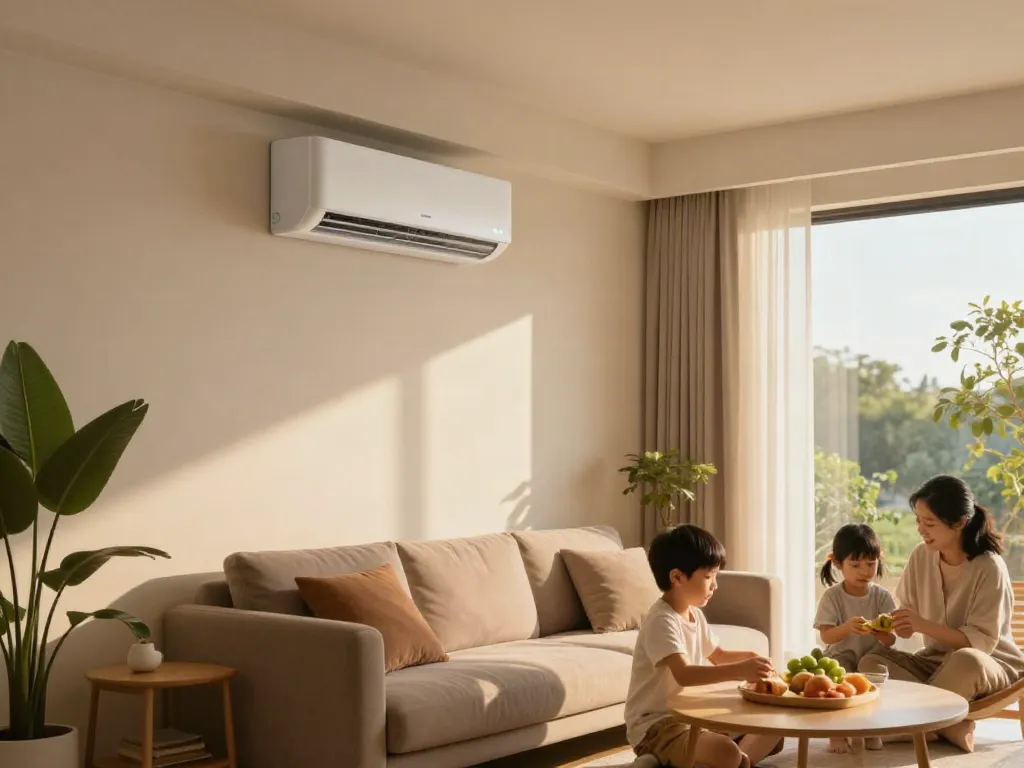
Understanding Mini Split Systems
As energy efficiency becomes a priority for homeowners and businesses alike, mini split air conditioning systems are gaining traction. These innovative HVAC solutions offer a versatile and economical means to regulate indoor temperatures without the extensive ductwork associated with traditional systems. Here we dive deep into what mini splits are, their benefits, and how they fit into modern heating and cooling needs.
What is a Mini Split System?
A mini split system is a type of ductless air conditioning and heating system that provides both heating and cooling to individual rooms or zones within a building. Unlike conventional systems that rely on ductwork, mini splits consist of an outdoor compressor unit and one or more indoor air-handling units, connected by refrigerant lines. This design allows for greater flexibility in installation and more efficient temperature control.
Benefits of Mini Split Air Conditioners
- Energy Efficiency: Mini splits use inverter technology, which allows the compressor to adjust its speed according to the cooling or heating demand, resulting in significant energy savings.
- Flexible Installation: The absence of ductwork means mini splits can be installed in spaces where conventional systems would be impractical, such as older homes or multi-family buildings.
- Improved Zoning: Each indoor unit can be controlled independently, enabling personalized comfort in every room.
- Air Quality Enhancement: Many mini splits come equipped with advanced filtration systems that improve indoor air quality by reducing dust, allergens, and pollutants.
Types of Mini Split Units Available
There are several types of mini split systems available on the market, catering to different needs and preferences:
- Single Zone Mini Splits: Ideal for cooling or heating a single room or small area, these systems are typically compact and easy to install.
- Multi-Zone Mini Splits: Suitable for larger spaces, these systems can accommodate multiple indoor units connected to one outdoor compressor, allowing for precise temperature control in various zones.
- High-Velocity Mini Splits: These units are designed for homes with limited space for traditional ductwork and can be adapted to fit existing structures.
- Cooling-Only vs. Heating and Cooling: Some units are designed solely for cooling, while others function as heat pumps, providing both heating and cooling capabilities.
Choosing the Right Mini Split for Your Home
When deciding on a mini split system, several factors need to be evaluated to ensure optimal performance and efficiency in your home.
Factors to Consider When Selecting a Mini Split
- Room Size: The size of the area you wish to heat or cool will influence the BTU (British Thermal Unit) rating required for your system.
- Climate: Consider your local climate conditions, as different systems perform differently in varying temperatures.
- Energy Efficiency Ratings: Look for units with higher SEER (Seasonal Energy Efficiency Ratio) and HSPF (Heating Seasonal Performance Factor) ratings to maximize energy savings.
- Noise Levels: Some mini split systems operate more quietly than others, which can be an important consideration, especially for bedrooms or quiet spaces.
Mini Split Sizing and BTU Calculations
Proper sizing is crucial for the efficiency of your mini split system. A unit that is too small will struggle to maintain temperature, while one that is too large will cycle on and off too frequently, leading to energy inefficiency. To determine the appropriate BTU for your needs, consider the following:
- Measure the square footage of the room.
- Factor in ceiling height, insulation quality, and exposure to sunlight.
- Consider the number of occupants and heat-generating appliances in the room.
Comparing Brands and Models
With so many brands and models available, making a choice can be overwhelming. Researching manufacturer reputation, warranty options, and customer service responsiveness can help narrow down your options. Notable brands include Mitsubishi, Daikin, and LG, each offering distinct features and benefits.
Installation Process of Mini Split Systems
Understanding the installation process is essential for a successful mini split setup. This can either be a DIY project or a job for HVAC professionals.
DIY Installation vs. Professional Help
While some may attempt a DIY installation to save costs, hiring professionals ensures proper setup and adherence to local building codes. A licensed technician can also help with sizing, design, and troubleshooting, providing peace of mind and ongoing support.
Step-by-Step Installation Guide
- Choose Your Location: Select appropriate locations for the indoor and outdoor units, ensuring adequate airflow and accessibility.
- Mount the Indoor Unit: Use brackets to secure the indoor unit to the wall.
- Install the Outdoor Unit: Level and secure the outdoor unit in a location free from obstructions.
- Run the Refrigerant Lines: Connect the refrigerant lines and electrical wiring between the indoor and outdoor units.
- Connect the Drain Line: Ensure proper drainage from the indoor unit.
- Test the System: After installation, test the system to ensure it operates correctly.
Common Mistakes to Avoid During Installation
- Improper sizing leads to inefficiencies.
- Ignoring local codes and regulations.
- Neglecting to level outdoor units.
- Failing to insulate refrigerant lines properly.
Maintenance and Troubleshooting of Mini Splits
Regular maintenance is crucial to keep your mini split system operating efficiently and prolong its lifespan.
Regular Maintenance Tips for Optimal Performance
- Clean or replace filters every month during peak usage.
- Inspect and clean the outdoor unit to ensure proper airflow.
- Schedule professional maintenance at least once a year to catch potential issues early.
Signs Your Mini Split Needs Repair
Be vigilant for any signs indicating your system may need repair, such as:
- Unusual noises or vibrations.
- Inconsistent temperature control.
- Foul odors emanating from the units.
- Water leaks around indoor units.
Common Troubleshooting Techniques
If you encounter issues, try these troubleshooting techniques before calling a professional:
- Check the thermostat settings to ensure they are correctly programmed.
- Inspect the power supply and circuit breakers for disruptions.
- Examine filters for dirt and debris that may inhibit airflow.
Future Trends in Mini Split Technology
As we move forward, mini split technology continues to evolve, focusing on efficiency and sustainability.
Advancements in Energy Efficiency for 2026
Anticipated advancements include improved inverter technology, enhanced refrigerants, and more sophisticated control algorithms to optimize energy usage in real-time.
Smart Technology Integration in Mini Splits
Integration with smart home systems is becoming more prevalent. Expect features such as remote control via smartphone apps and compatibility with smart thermostats for enhanced convenience and efficiency.
Sustainable Practices in HVAC Systems
As society focuses more on sustainability, manufacturers are exploring eco-friendly refrigerants and energy-efficient designs to minimize the environmental impact of mini split systems.
What are the disadvantages of a mini split?
While mini splits offer numerous advantages, they also come with some disadvantages, including higher upfront costs than traditional systems and potential aesthetic concerns due to visible indoor units.
Are mini splits really worth it?
Considering their energy efficiency and ability to provide targeted heating and cooling, many homeowners find mini splits to be a worthwhile investment, particularly in spaces lacking ductwork.
What does a mini split usually cost?
The cost of mini split systems can vary widely based on factors such as capacity, brand, and installation complexity. On average, prices can range from $1,500 to $3,500, including installation.
Do mini splits work in 100-degree weather?
Yes, mini splits are designed to operate efficiently during extreme temperatures. However, selecting the right model and ensuring proper sizing can significantly affect performance in extremely hot conditions.
Can mini splits be used for heating?
Absolutely! Many mini split systems function as heat pumps, providing efficient heating during colder months, making them a versatile year-round solution.